
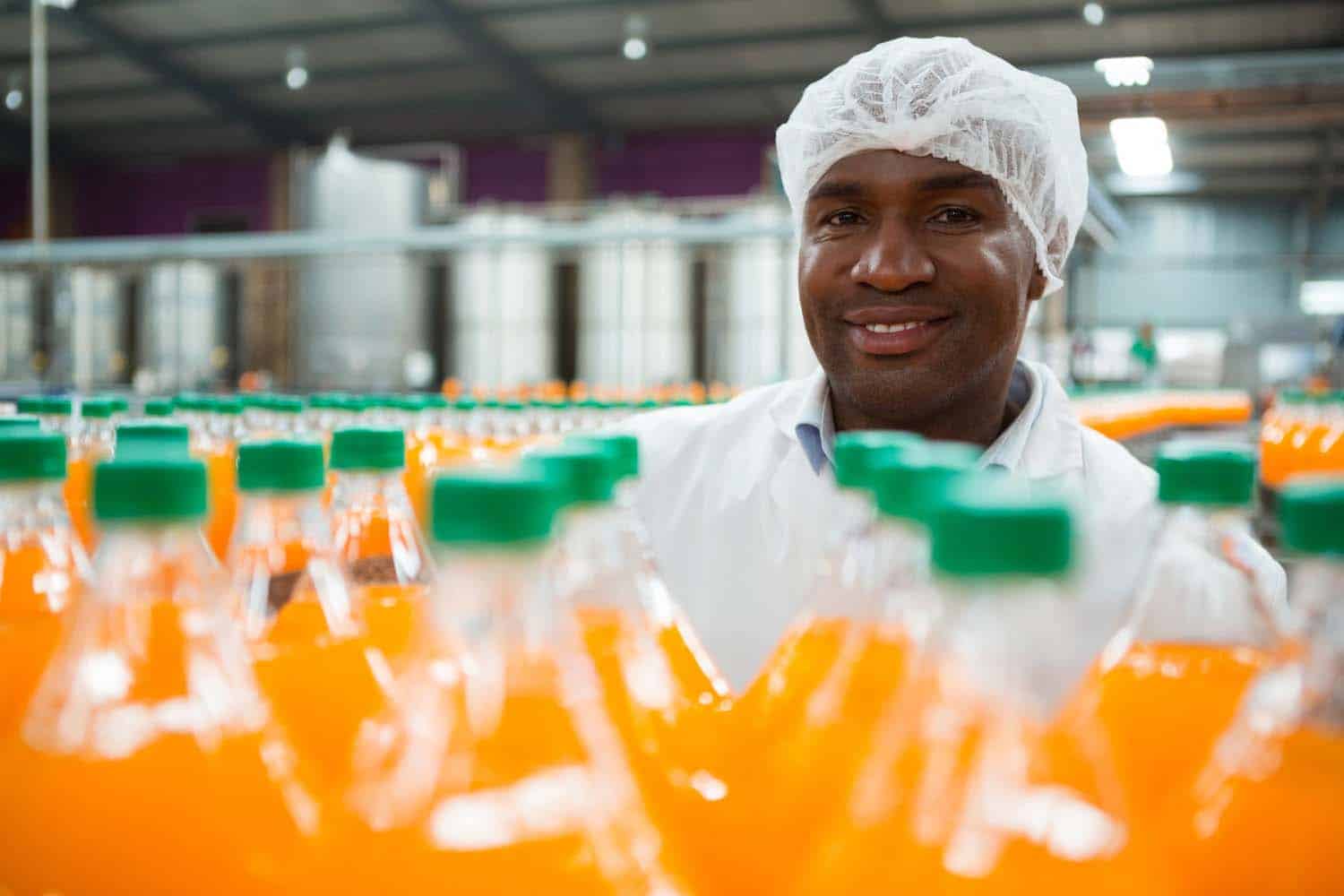
Why Hygiene is Non-Negotiable in the Juice Business
Picture this: You’ve perfected your juice recipes, your branding is on point, and customers are starting to take notice. But then—disaster strikes. A hygiene slip-up leads to contamination, and suddenly, your once-thriving juice business is facing negative reviews, health concerns, or even regulatory action. Scary, right? Screams lack of proper hygiene practices in juice production.
Hygiene isn’t just about keeping things clean; it’s about protecting your customers, your reputation, and your business’s future. In the juice industry, where fresh ingredients are highly perishable, the risks of bacteria, mold, and cross-contamination are real. That’s why maintaining top-tier hygiene practices is absolutely essential.
In this guide, we’ll break down everything you need to know to keep your juice business spotless, compliant, and thriving. Let’s dive in!
1. Personal Hygiene: The First Line of Defense
Your staff (even if it’s just you for now) can be the biggest source of contamination—or your first line of defense. Here’s how to ensure it’s the latter:
- Hand Hygiene is King: Always wash hands thoroughly with soap and water before handling ingredients, equipment, or packaging. Keep hand sanitiser nearby for extra precaution.
- Dress the Part: Aprons, hairnets, and gloves aren’t just for show—they help keep bacteria at bay. Avoid wearing jewelry, nail polish, or long nails, as they can trap dirt and microbes.
- Health Checks Matter: Anyone feeling under the weather should not handle food. A simple cold or stomach bug can be enough to spread harmful bacteria to your juice. Make this a strict rule!
2. Keeping Your Production Space Spotless
A clean workspace is a productive (and safe) workspace. Here’s how to maintain a spotless juice production environment with these proper hygiene practices in juice production:
- Daily Cleaning Routine: Disinfect all surfaces, countertops, and equipment before and after use.
- Pest Control: Flies, rodents, and other pests are a nightmare in food production. Seal entry points, use food-safe repellents, and keep storage areas well-organised.
- Proper Waste Disposal: Dispose of fruit peels, pulp, and other waste promptly to avoid attracting pests and causing unpleasant odours.
3. Handling Fresh Produce the Right Way
Your fruits and veggies are the heart of your business—treat them with care!
- Wash Everything Thoroughly: Even if your produce looks clean, always rinse it under running water before use. You never know what it’s been exposed to.
- Inspect Before Use: Check for mold, bruising, or any signs of spoilage. One bad apple (literally) can ruin a whole batch.
- Safe Storage: Keep raw ingredients in clean, cool, dry spaces. Store perishable items at the right temperatures to prevent spoilage and bacterial growth.
4. Equipment Maintenance: Clean Machines = Clean Juice
Your juicer, blender, and storage containers need just as much attention as your ingredients. Here’s how to keep them in top shape with a few proper hygiene practices in juice production:
- Clean After Every Use: Even small residue build-up can harbor bacteria. Rinse and disinfect all equipment parts thoroughly.
- Deep Clean Weekly: Dismantle machines and do a full sanitisation at least once a week. Use food-safe cleaners to avoid chemical contamination.
- Check for Wear and Tear: Cracks or scratches in equipment can trap bacteria and be difficult to clean. Replace worn-out parts immediately.
5. Environmental Hygiene: The Bigger Picture
A clean workspace isn’t just about surfaces—it’s about the entire environment.
- Ventilation is Key: Proper airflow helps prevent mold and bacteria growth. If your space is humid, consider a dehumidifier.
- Keep Floors Dry: Wet floors can be breeding grounds for bacteria (and a slipping hazard!). Always mop up spills immediately.
- Sanitise Packaging Materials: Bottles, caps, and labels should be stored in a clean, dry place. If reusing glass bottles, sterilise them properly before refilling.
6. Training and Protocols: Consistency is Everything
Even if you’re currently a one-person business, putting proper systems in place now will make scaling much easier in the future. Here’s how:
- Standard Operating Procedures (SOPs): Have a clear, written hygiene policy that covers cleaning schedules, waste disposal, and emergency measures.
- Regular Staff Training: If you have employees, train them thoroughly on hygiene practices. A knowledgeable team is your best asset.
- Monitor and Enforce Compliance: Conduct spot checks on hygiene practices to ensure they’re being followed consistently.
Final Thoughts: Hygiene is Your Juice Business’s Best Friend
When it comes to juice production, hygiene isn’t just a box to check—it’s the foundation of your business’s success. By prioritising cleanliness, you ensure that every bottle of juice you produce is safe, delicious, and trusted by your customers. What are your thoughts on the topic? Leave us a comment, we would love to hear from you!
Ready to take your juice business to the next level?
Join Our Juicepreneurs Community!
Connect with like-minded juice entrepreneurs, gain access to exclusive resources, and get expert insights to grow your business. Join Now
Book a One-on-One Consultation
Need personalised advice? Let’s strategise your juice business success together. Book Here
Download Our Comprehensive Juice Business eBook
Start your own profitable juice business in Ghana. Get the ultimate guide to equipment, pricing, production, marketing and FDA compliance, complete with practical checklists that remove guesswork and speed up your launch. Click here to Download
By following these hygiene practices, you’re not just protecting your customers—you’re also building a brand that stands for quality, safety, and excellence. Keep it clean, and keep winning! ✨