
Running a juice business in Ghana means dealing with waste every single day. Fruit peels, pulp, expired produce, plastic bottles and packaging all accumulate quickly. Without proper waste management in the juice business, even a promising brand can develop serious operational problems.
Many juicepreneurs underestimate how much waste handling affects customer trust, health standards and long-term growth. Clean operations are not optional. They are foundational.
Why waste management in the juice business is critical
Poor waste handling creates unpleasant smells, attracts insects and increases the risk of contamination. In food production, this is dangerous. Customers are highly sensitive to hygiene, especially when it comes to what they consume.
Strong waste management in the juice business:
-
protects customer health
-
reduces spoilage and losses
-
prevents regulatory trouble
-
strengthens brand reputation
A clean operation signals professionalism and reliability.
The main types of waste every juice business produces
A typical juice business generates two major categories of waste.
Organic waste
This includes fruit peels, pulp, seeds, vegetable scraps and spoiled produce. If not removed quickly, organic waste becomes a health hazard.
Non-organic waste
This includes plastic bottles, labels, nylon bags, straws, caps and packaging materials. These must be stored separately and disposed of responsibly.
Effective waste management in the juice business requires treating these two waste types differently.
Practical waste management systems for juicepreneurs
Start with proper separation. Organic waste should be kept in sealed containers and disposed of daily. Where possible, fruit pulp can be composted or given to farmers for livestock feed.
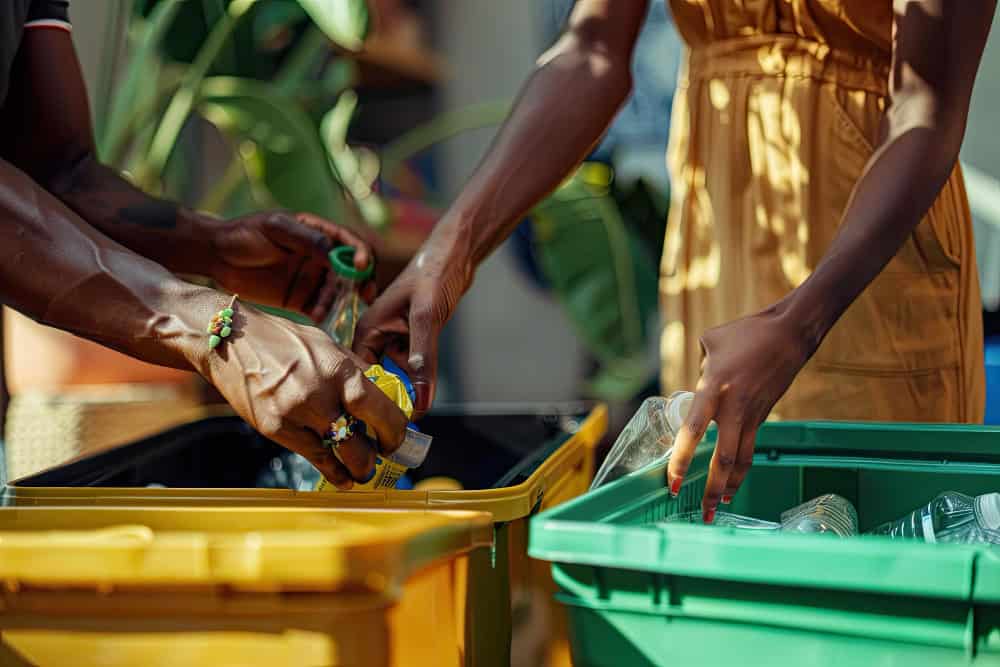
Non-organic waste should be stored in designated bins. Bottles and plastics can be collected by recycling agents or waste management companies.
Cleaning should happen after every production session. Blenders, surfaces, storage areas and floors must be sanitised consistently. Cleanliness reduces contamination risk and increases customer confidence.
How waste management directly affects profitability
Waste management in the juice business is not just about cleanliness. It directly influences profit. Poor handling leads to spoilage, product loss and customer distrust. Good handling improves efficiency, customer retention and brand strength.
When customers trust your hygiene, they return. When they return, revenue grows.
Your next step
The Juicepreneur Blueprint shows you how to design clean, safe and efficient juice operations from the beginning.
You can also join the Juicepreneurs Community to learn practical systems from experienced juicepreneurs.
For personalised operational planning, book a consultation and strengthen your business foundation.