
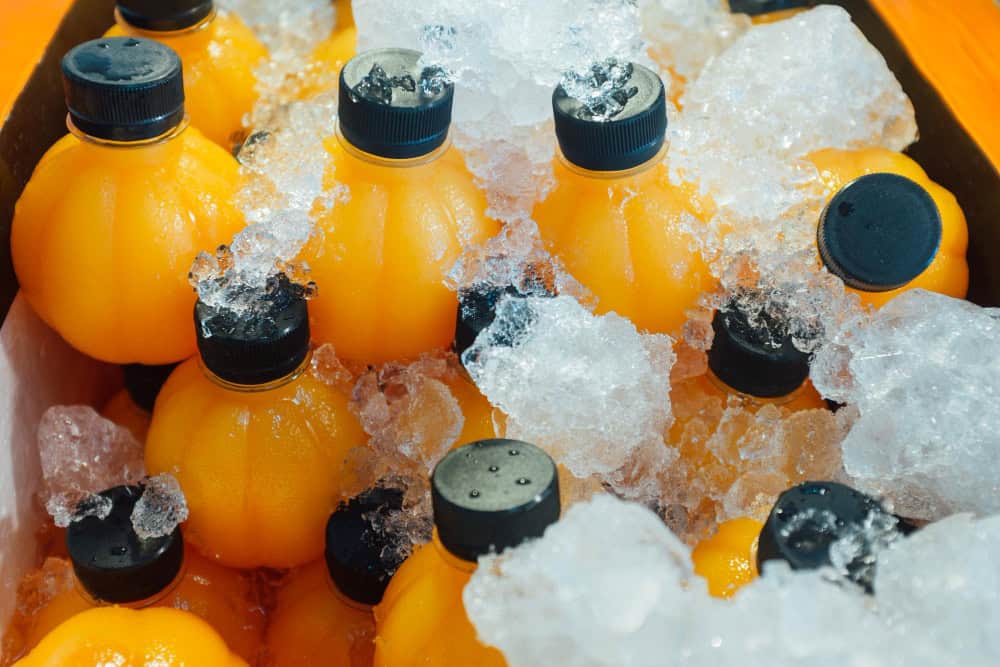
Fresh juice quality can be destroyed after production, not because the juice is bad, but because storage and delivery are unmanaged. In Ghana’s heat, the cold chain is not a “nice-to-have”. It is one of the fastest ways to reduce waste, prevent complaints, and protect your reputation. Cold chain for fresh juice in Ghana simply means keeping juice cold from production to delivery to the customer’s fridge, consistently.
What actually makes fresh juice spoil faster
Fresh juice has moisture, nutrients, and a natural microbial load from raw ingredients and handling. If temperature rises, microbes multiply faster and shelf life drops. Food safety guidance consistently emphasises refrigeration and safe temperature control for perishable foods.
What temperature should you aim for
FDA Ghana food safety guidance for hot weather stresses refrigeration at 4°C or below for perishable foods. That is a solid operational target for juice storage.
If you are producing fresh, unpasteurised juice, plan your business like it is a short-shelf-life product. Many food safety references recommend consuming fresh unpasteurised juice within a small window even when refrigerated.
A practical cold-chain system for small juicepreneurs
You do not need fancy refrigerated vans to be disciplined. Start with a reliable routine:
1) Production cooling
-
Chill bottles before filling where possible.
-
Move finished bottles into a fridge immediately, and freeze if they will be kept longer.
-
Do not leave bottled juice on a table “to cool later”. That is where losses begin.
If you have the means you can install a 2.5 or 3 hourse power AC to help moderate the temperature in the production area. Plus aways keep bulk juice frozen and thaw in the refrigerator or outside if you run your AC.
2) Delivery cooling
-
Use a proper cooler box with ice packs.
-
Pack to reduce “dead air” so the cold holds longer.
-
Keep deliveries on a fixed route so time outside refrigeration is minimal.
3) Customer handling
Teach customers one simple rule: “Please refrigerate immediately, freeze if you want to keep for longer periods”. Now if the juice is purchased in galons, gift them bottles to dispense into and freeze. So at any given time, they can just take a bottle or two out when they need it, instead of putting the entire gallon in refrigerator and taking it out and putting it back, whenever they need juice.
A strong cold chain reduces complaints and makes customer resolution in the juice business easier because fewer orders arrive warm, spilled, or “tasting different”.
Common mistakes that quietly kill shelf life
-
Mixing warm juice into cold stock.
-
Reusing bottles without proper sanitising.
-
Delaying deliveries while doing other errands.
-
Taking bulk orders without enough cold storage capacity.
What you can do next
Get the Juicepreneur Blueprint
If you are serious about this business and want a clear, practical guide for production, storage, delivery, hygiene and pricing, the Blueprint walks you through everything step by step without the stress. DOWNLOAD HERE
Join the Juicepreneurs Community
Running a juice business can feel lonely sometimes. Inside the community, you meet other Ghana-based juicepreneurs, share real experiences and learn what is actually working on the ground. CLICK HERE TO JOIN
Book a one-on-one session
If you want someone to look at your own setup and help you design a system that fits your location, budget and delivery area, a personal session can save you months of mistakes and guesswork. BOOK NOW