
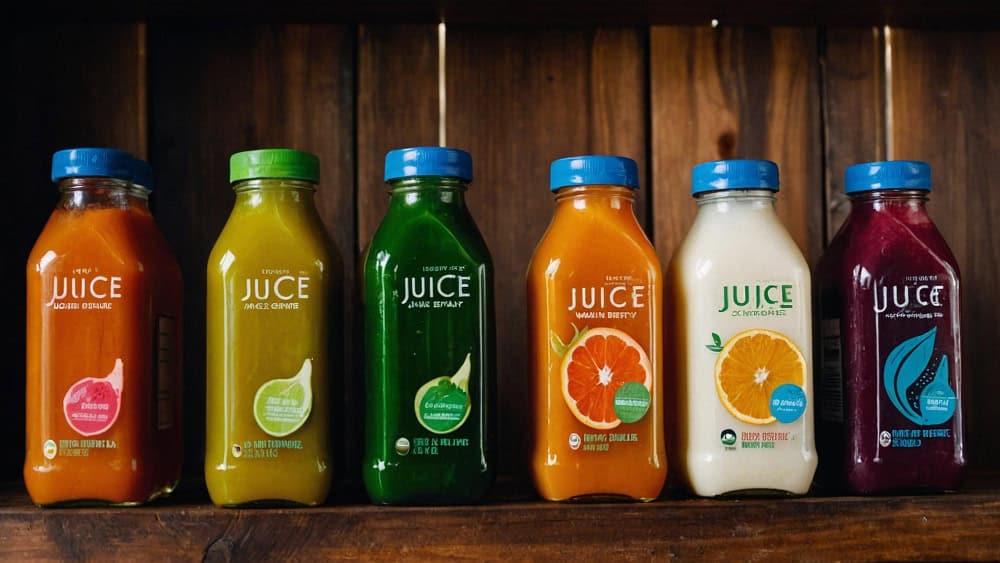
If your label is not up to standard, the FDA can stop your juice from entering the market. Shops and supermarkets will also refuse to stock it. A proper label is not just about law; it also makes customers trust your brand. When they see a clean and compliant label, they are more likely to buy.
The law behind juice labelling in Ghana
There are three key rules you should know:
-
FDA Ghana general labelling requirements. This is the basic checklist for all packaged foods.
-
Ghana Standards Authority (L.I. 1541). This law says labels must be in English, easy to read, and must not wipe off.
-
Public Health Act, 2012 (Act 851). It makes it illegal to mislead consumers with false or deceptive labels.
Ghana also looks at the Codex international food standards, so the definitions of juice and nectar are based on that.
The must-have items on your juice label
Here is what every fruit juice label in Ghana should carry:
-
Product name. Example: “SunRise 100% Pineapple Juice.”
-
Net content in mL or L.
-
Ingredients list. List them in order of weight, including additives.
-
Date of manufacture and either Best Before or Use By.
-
Batch or lot number.
-
Country of origin.
-
Name and full address of the manufacturer or agent. Local companies must add a house or plot number or a GhanaPost Digital Address.
-
Directions for use are provided where needed.
-
Storage instructions such as “Keep refrigerated after opening.”
-
Labels must be in English, easy to read, and permanent.
-
Both the bottle and the carton must carry the information.
Best Before and Use By explained
Many people get confused here. The difference is simple:
-
Best Before is about quality. The juice may still be fine after that date, but taste or colour may change.
-
Use By is about safety. After this date, it may no longer be safe to drink.
Choose the correct one, because the FDA checks this closely.
Juice, nectar, or drink
The category depends on your recipe. Do you know the difference?
-
Fruit juice is pure juice pressed from fruit.
-
From concentrate is reconstituted juice that meet the natural strength of the fruit.
-
Nectar is juice mixed with water and sometimes sugar, within allowed limits.
-
A fruit drink has lower juice content and cannot be called juice.
If you call a drink “juice” when it is not, you are misbranding and the FDA can stop you.
Marketing claims and what to avoid
Act 851 is clear. Do not claim what is not true. If you say “sugar-free” but you added sugar, you are in trouble. If you say your juice prevents illness but you cannot prove it, that is also a problem.
If you show nutrition facts, you must keep documents that support those numbers.
GMO ingredients
If your juice or additives come from genetically modified sources, there is a separate FDA guideline for GMO labelling. Make sure you follow it.
How to design your label
A simple structure works best. Make sure your graphic designer knows this and follows it religiously. It’s very important.
Front:
-
Brand name and product type, such as “TropiCool 100% Mango Juice.”
-
Net volume.
-
Date mark near the cap.
Back or side:
-
Ingredients with allergens are clearly shown.
-
Storage and usage instructions.
-
Manufacturer or agent details.
-
Country of origin.
-
Batch and date of manufacture.
Mistakes to avoid
-
Calling nectar juice.
-
Leaving out batch numbers.
-
Labels not in English or ink that rubs off.
-
Using ‘Best Before’ when you should use ‘Use By’.
-
Forgetting to add the local address if the product is made in Ghana.
Step-by-step to FDA approval
-
Draft your label with all the details listed above.
-
Cross-check with the FDA’s general requirements.
-
Confirm whether your product is juice, nectar, or drink.
-
If you include claims or nutrition information, prepare documents to prove them.
-
Make sure your label is in English, clear, and permanent.
-
Submit the label as part of your FDA product registration.
Quick checklist for your juice label
-
Product name matches the recipe
-
Net volume stated
-
Ingredients listed correctly
-
Date of manufacture plus Best Before or Use By
-
Batch or lot number
-
Country of origin
-
Manufacturer or agent address included
-
Storage and directions for use
-
English and permanent print
-
Both bottle and carton are labelled
-
Claims and nutrition facts backed by evidence
FAQs
Do I need nutrition facts on every juice?
No. Only if you make nutrition or health claims.
Must the label be in English?
Yes. English is required and it must be clear.
What if my label misleads consumers?
The FDA can reject your product, seize it, and you may face penalties.
Do I really need batch numbers?
Yes. They are important for tracing products during recalls.
Ready to Take Your Juicing to the Next Level?
If you love juicing (or are just getting started), we’ve got some amazing FREE resources for you!
Download our FREE Juicepreneur Blueprint Ebook – Get delicious and nutritious juice recipes you can try today! Click here to grab it!
Join Our Juicepreneurs Community – Connect with other juice enthusiasts, get business tips, and share your juicing journey. Join now!
Want to Start a Juice Business? – Book a one-on-one juice business consultation and learn how to turn your passion into profit! Book your session here!