
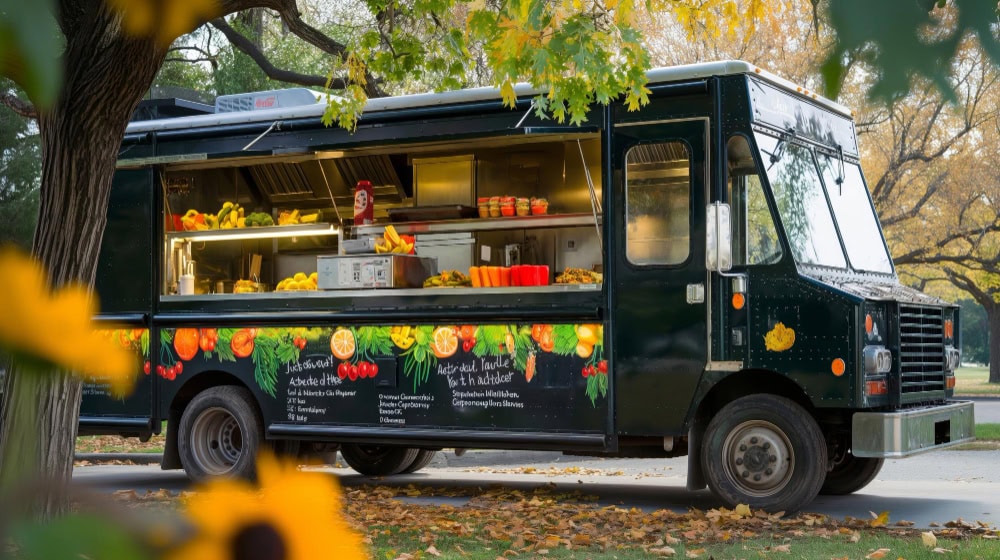
A proper juice truck is not “mobile juicing.” It is a moving juice bar that lets you drive into demand. Busy parts of Accra. Corporate areas. Private events. Weddings. Pop-ups. Gym communities. High-end breakfast routes. Starting a juice truck business in Ghana can be very rewarding.
This model works because you are not waiting for customers to find you. You are positioning yourself right where buying is easiest. But it only works when you treat it like a serious operation. Premium customers do not forgive mistakes. They do not tolerate hygiene issues. They do not accept excuses for delays. They pay well, but they expect you to be sharp. In this series, we are going take a very detailed look at how to start the juice truck business in Ghana.
The business model, in one sentence
You sell premium fresh juices, and premium breakfast add-ons (pastries, parfaits, healthy bites) to customers who value quality and convenience over price.
Your advantage is mobility and your weapon is systems.
Step 1: Choose the Right Juice Truck Concept
Before you price equipment or design a menu, you must decide what kind of juice truck business you are actually building. This decision affects your capital outlay, your operating costs, your staffing needs, your compliance exposure, and how fast you can recover your investment.
In practice, there are two clear approaches.
Option A: Full Truck Build (The Statement Model)
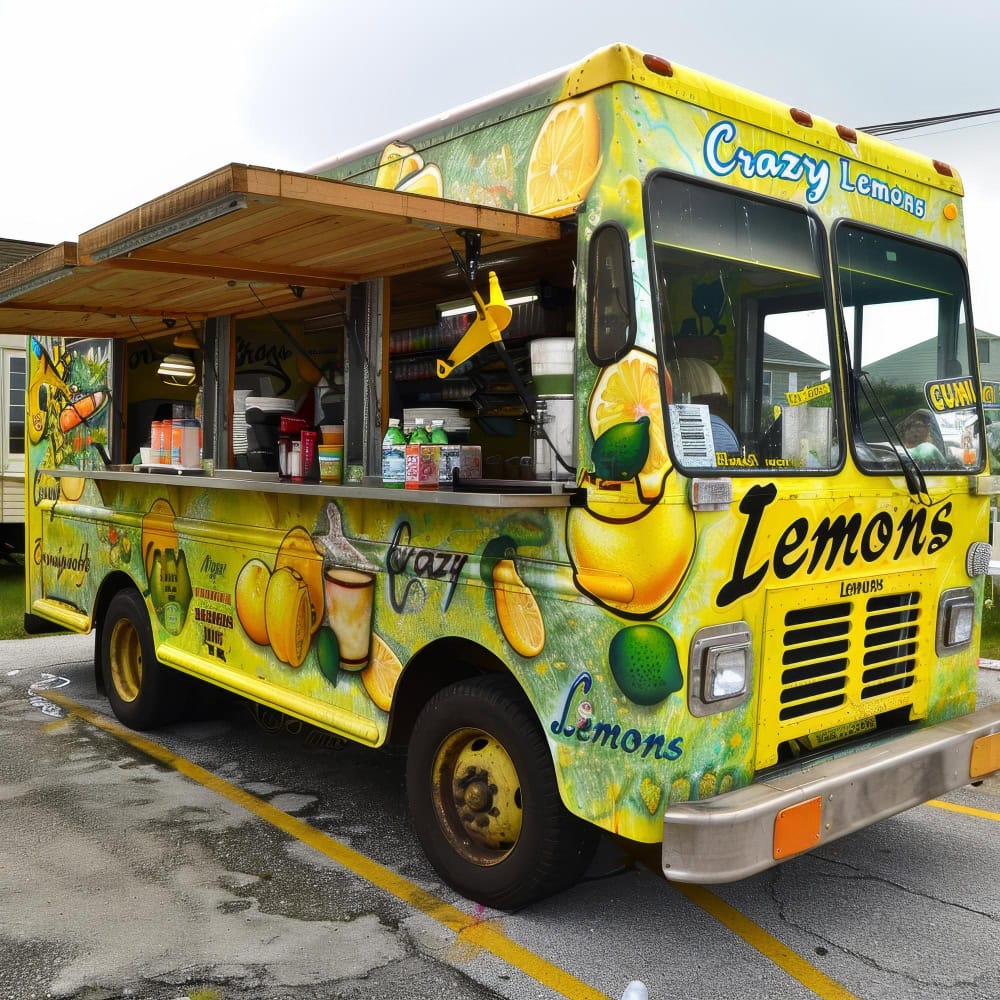
This is the fully built-out juice truck. Larger vehicle. Permanent interior installation. Heavy-duty equipment. Strong visual presence. Inside, everything is fixed in place:
-
stainless steel counters and sinks
-
integrated water tanks and drainage
-
built-in refrigeration
-
fixed juicing and blending stations
-
storage cabinetry
-
electrical and power systems installed as part of the truck
This model positions you immediately as premium and established. When this truck drives into an event or corporate space, it does not ask for attention. It commands it.
However, this comes with trade-offs. You are committing significant capital upfront. Maintenance is more complex. Any downtime affects your entire operation. Scaling or redesigning later is harder because everything is built-in. While at it, look for a reliable mechanic or a service that offers around-the-clock service, you can call on, when your truck needs servicing. There has been a rise in “mobile mechanic” niche lately.
This model makes the most sense if:
-
you already understand your target market
-
there is a plan to focus heavily on events, corporate bookings, and premium clients
-
there is capital to absorb setup costs without pressure
-
you want strong brand impact from day one
This is not a testing model. It is a commitment model.
Option B: Compact Truck with Service Hatch (The Strategic Model)
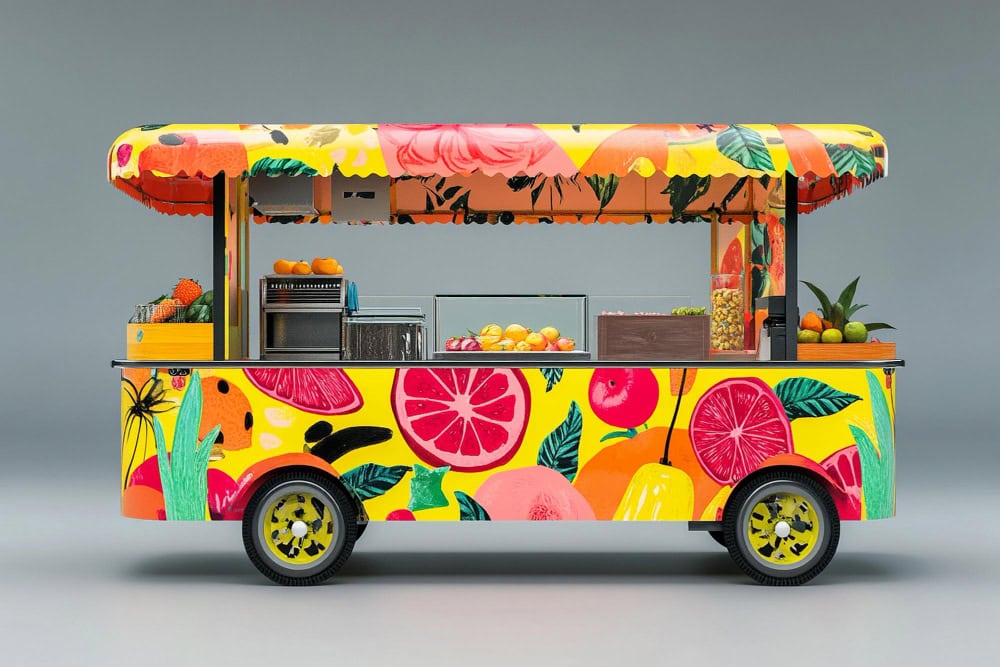
This approach uses a smaller commercial vehicle or van, converted with a clean, professional interior but with a simpler layout.
The defining feature is the service hatch. Customers are served through a side or rear hatch, while most production happens inside or partly off-board. The build is still premium, but more controlled:
-
fewer fixed installations
-
lighter equipment
-
modular storage
-
simpler plumbing and power needs
This model is often underestimated, but it is extremely powerful when executed well. It allows you to:
-
launch faster
-
reduce initial capital risk
-
simplify maintenance
-
adapt your layout as you learn
-
move easily between locations and events
For Ghana, this model is especially practical because:
-
road conditions vary
-
power availability changes by location
-
some events require flexibility rather than size
-
regulatory conversations are often easier with simpler setups
I would say it is best to start here, perfect your systems, build a reputation, and then scale into a full truck once demand is proven. This is not a “small” option. It is a strategic entry point.
How to Choose Between the Two
Ask yourself these questions honestly:
Do I already have confirmed demand, or am I still building it?
Can my cash flow handle downtime if something breaks?
Do I want flexibility, or am I ready to lock in a fixed concept?
Is my brand already known, or am I still earning trust?
If you are entering the market for the first time, even with money to spend, starting compact but premium is often the smarter business move. It gives you room to learn without burning capital unnecessarily.
Once your routes, events, and customer base are stable, scaling into a larger, fully built truck becomes a confident decision, not a gamble.
This Is Where Most People Stop, and a Few Move Forward
Reading about juice trucks is easy. Building one that actually works in Ghana is a different conversation. At this point you have two choices.
You can treat this idea like inspiration, something you enjoyed reading on your phone, and move on to the next post. Or you can decide that this business will not be another dream that faded because the setup felt too big.
A juice truck rewards the bold, but only when boldness is guided by structure. You do not need excitement.
You need a plan that respects money, compliance, systems, and customers who expect the highest standard.
Join Juicepreneurs Connect
If you want to learn this business alongside people who are already operating in the same market, facing the same challenges, and solving real problems, then this community is for you.
Inside Juicepreneurs Connect you get practical conversations, not internet theories. You see what works in Accra, in Tema, in Kumasi, and in the Eastern Region. You stop guessing and start building with context.
Join the Juicepreneurs Connect today!
Download the Juicepreneur Blueprint
A juice truck is too expensive to build with trial and error. The Blueprint gives you the full framework for setting up the business the right way, from equipment thinking to operations, compliance, pricing, and growth. This is the document many operators wish they had before spending their first cedi.
Download the Juicepreneur Blueprint today!
Book a One-on-One Strategy Session
If you are seriously considering investing hundreds of thousands of cedis into a juice truck, do not do it alone.
In a strategy session we look at:
-
your budget and concept choice
-
realistic equipment path
-
compliance requirements
-
menu positioning for premium customers
-
record keeping and systems from day one
One clear conversation can save you months of confusion and costly mistakes.
Book your Strategy Session today!
This series is not about selling dreams. It is about building a business that can survive inspections, impress premium clients, and pay you back for the risk you take.
In Part 2 we will go deeper into the real costs of vehicles, conversions, and equipment so you can see exactly what you are stepping into. If this journey feels right, take the next step now instead of later.
For new juicepreneurs, I have put together what I call the must-read list of posts on this site to get you started on your business journey:
- Read about juicing equipment here.
- Read about the different types of pineapples here.
- Get beginner insight into beverage catering here.
- Read about record keeping in the juice business here.
- If you have already started beverage catering, read about costly mistakes to avoid here.
- Learn where to source PET bottles and other essentials here.
- Learn how to write a juice business plan here and here.
- Training new staff can be a headache, learn how to build a system to help you here.
- The Norwalk Juicer is a very fine machine, its not for everyone though. Learn more here.
- The juice business is heavily dependant on suppliers. Learn how to build a relaible network of supplier here.
- FDA compliance is a key metric in this business. Learn how to register your juice products with the FDA here
- Lastly, read about how to price your beverage catering business here.