
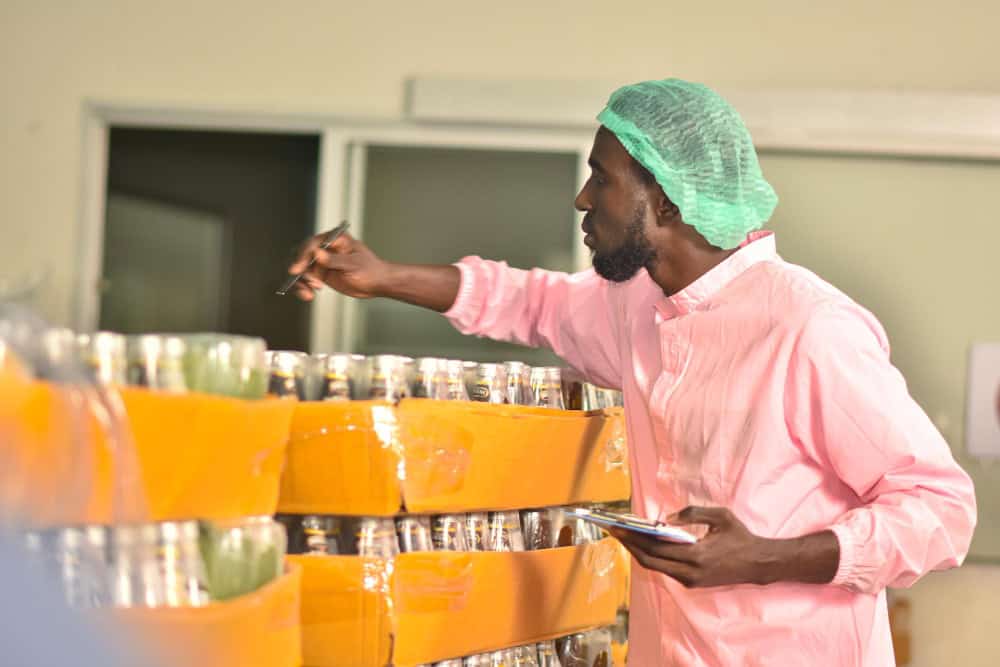
The Certificate That Opens the Door
Every serious juice entrepreneur in Ghana eventually meets the requirement called food handler test certification. It is not a punishment from government. It is the bridge between a home experiment and a recognised food business. Many beginners believe that once the juice tastes good and the bottles look neat, the market will welcome them. The Municipal Assembly sees things differently. Their concern is public health first, profit later.
Why the Assemblies Take This So Seriously
Fresh juice is sensitive. Fruits carry soil, bacteria and sometimes chemicals. Hands carry germs. Water quality can betray even the cleanest intentions. Assemblies have seen outbreaks traced to well-meaning vendors who simply did not understand hygiene basics. That history is why Environmental Health Units insist on screening and training before allowing anyone to sell to the public. The certificate is their assurance that the person behind the blender understands the invisible risks.
Starting the Process Without Fear
The journey normally begins at the Environmental Health Department of your district or municipal assembly. Many first-timers walk in with anxiety, expecting interrogation. What usually happens is a conversation. Officers ask where you operate, how many people handle the juice and whether you have begun registration for a business operating permit. These questions help them classify your scale. A small home producer is treated differently from a commercial kitchen serving events.
Medical Screening as the Core
After registration, the applicant is referred to an approved clinic or hospital for tests. This stage defines the food handler test certification system. The screening looks for communicable diseases such as typhoid, tuberculosis, cholera risk and certain skin conditions. The tests are simple but meaningful. They protect customers and also protect the entrepreneur from unknowingly spreading illness through a beloved brand.
The Practical Training Moment
Most assemblies include a short hygiene orientation before issuing the card. This session is often more useful than any online article. Officers demonstrate correct hand washing, safe fruit storage, separation of raw materials, and proper waste disposal. Entrepreneurs discover small habits that transform their workspace. One juice maker in Tema confessed that she realised her chopping board was the weakest link in her entire production chain.
Who Exactly Needs the Certificate
A common misunderstanding is that only the owner requires approval. In reality, anyone who touches the process is a handler. The person washing oranges, the assistant filling bottles, the worker cleaning equipment all need coverage. Assemblies conduct unannounced visits, and missing certificates for staff can attract fines or temporary closure. Smart businesses make certification part of recruitment from day one.
Costs and Paperwork Without Confusion
Fees vary slightly across districts, but they remain affordable compared to the damage of operating illegally. The bigger obstacle is incomplete documentation. National ID copies, passport photographs, proof of location and sometimes a basic site inspection report should be prepared before visiting the office. Entrepreneurs who arrive organised finish the process within days, while others spend weeks moving back and forth.
Home-Based Producers Are Not Exempt
Selling from your kitchen does not place you outside the law. Once money changes hands for food, public health rules apply. Many home vendors learn this after a customer complaint triggers an inspection. Compliance is far cheaper than rebuilding a reputation that collapsed on social media because of one preventable incident.
Renewal and Long-Term Discipline
The certificate usually lasts one year. Renewal requires fresh screening because health conditions can change. Established juice businesses treat this renewal like buying bottles or paying rent. It becomes part of the operating calendar. Keeping records of staff certificates also impresses corporate clients who increasingly demand proof before awarding contracts.
Beyond the Card
The process often connects entrepreneurs to wider opportunities. Assemblies share information about FDA education, local trade fairs and business development programmes. What looked like a hurdle becomes an entry point into the formal economy. Many brands secured their first school or office supply deal only after presenting valid handler certificates.
Trust Travels Faster Than Advertising
In the juice industry, confidence is the real currency. Customers cannot test safety with their eyes, so they rely on signals. The food handler test certification card is one of those signals. It tells a mother buying juice for her child that someone responsible stands behind the bottle. Brands built on that promise grow steadily even without loud marketing.
Your Next Steps
Join Juicepreneurs Connect
Do not walk this road alone. Inside our Juicepreneurs Connect community, members share real experiences. You will find sample documents, clinic recommendations and step-by-step stories from people who passed through the same assembly offices you will visit. Click to join a circle that speaks your language and understands our systems.
Get the Juicepreneur Blueprint
The Blueprint goes beyond recipes. It shows how to arrange your workspace, staff files, cleaning schedules and inspection readiness so the certification process becomes smooth. Instead of guessing what officers want, follow a proven structure used by successful Ghana juice brands. Download the Blueprint and turn compliance into confidence.
Book a One-on-One Compliance Session
If you feel stuck, let us look at your specific situation. In a focused session we review your production space, list the exact documents you need and create a timetable toward approval. Many entrepreneurs leave the call with a clear checklist they can execute within a week. Your dream deserves direction, not confusion.
For new juicepreneurs, I have put together what I call the must-read list of posts on this site to get you started on your business journey:
- Read about juicing equipment here.
- Read about the different types of pineapples here.
- Get beginner insight into beverage catering here.
- Read about record keeping in the juice business here.
- If you have already started beverage catering, read about costly mistakes to avoid here.
- Learn where to source PET bottles and other essentials here.
- Learn how to write a juice business plan here and here.
- Training new staff can be a headache, learn how to build a system to help you here.
- The Norwalk Juicer is a very fine machine, its not for everyone though. Learn more here.
- The juice business is heavily dependant on suppliers. Learn how to build a relaible network of supplier here.
- FDA compliance is a key metric in this business. Learn how to register your juice products with the FDA here
- Logistic is very vital in the juice busines, learn about it here.
- Lastly, read about how to price your beverage catering business here.