
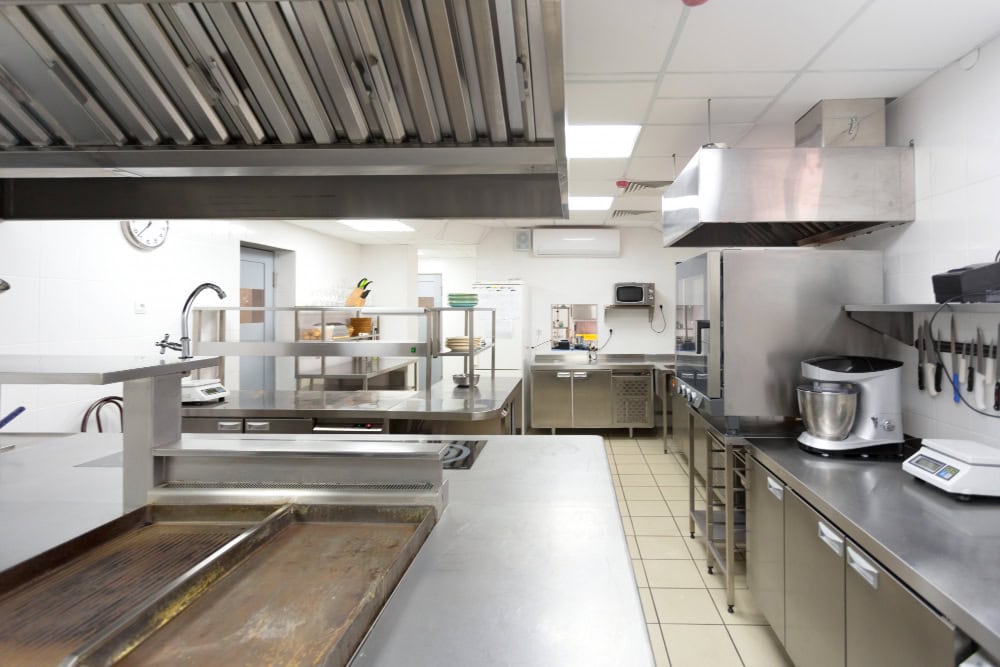
Every serious juice business in Ghana eventually reaches a point where moving to a commercial juice space becomes unavoidable. Orders increase, expectations rise, and the home kitchen that once felt sufficient begins to feel tight, noisy, and limiting.
This transition is not simply about renting a bigger place. It is about shifting your mindset from survival into structure. Many juice businesses fail at this stage not because demand disappears, but because the move is rushed, emotional, or poorly planned.
Understanding when the move makes sense and how to prepare for it can turn growth into stability instead of stress.
Recognising When Home Production Has Reached Its Limit
Home kitchens are excellent training grounds. They teach discipline, cost control, and process awareness. But they also have natural ceilings.
When production starts clashing with family life, when hygiene control becomes harder to enforce consistently, or when storage and workflow feel compromised, these are not minor inconveniences. They are signals that your systems are under pressure.
Scaling should be triggered by operational strain, not excitement. Document what is breaking first. Those pressure points will guide how and when you move.
Redefining Your Production Mindset
A commercial space changes how regulators, customers, and staff relate to your business. It also changes how mistakes show up.
At home, errors are often private. In a commercial environment, they become expensive. Rent, utilities, inspections, and wages do not forgive improvisation.
This is where why SOPs matter when scaling juice operations becomes painfully clear. Processes that lived in your head must now live on paper. Consistency stops being optional and becomes the backbone of survival.
If your home kitchen already forced you to document procedures, this transition feels natural. If not, the space will expose that gap quickly.
Choosing a Space That Supports Compliance, Not Stress
In Ghana, many commercial spaces look suitable until regulators walk in.
The right space is not the biggest or cheapest. It is the one that allows clean separation of activities, proper ventilation, safe storage, and waste management that aligns with food production standards.
This is where understanding what facility readiness really means for juice production saves you money and frustration. A space that looks affordable today can become expensive tomorrow if it requires structural changes to pass inspection.
A commercial space should reduce friction with regulators, not introduce new battles.
The Power Gap Most Juice Businesses Discover Too Late
One of the most overlooked differences between home production and a commercial juice space is power demand.
A home kitchen circuit might handle one blender comfortably. But three cold-press machines running alongside chest freezers, refrigerators, sealing equipment, and lighting place a very different load on your system.
This is why assessing utility load before scaling production is critical. Without proper wiring, repeated tripping, overheating, or even fire hazards become real risks. Dedicated phase wiring and professional electrical assessment are not upgrades. They are safety measures.
Many businesses only discover this after equipment damage or forced shutdowns. Planning for power early protects both people and assets.
Zoning, Permits, and the Cost of Convenience
Finding a cheap shop in Ghana is easy. Finding one that is suitable for food production is harder.
Some juicepreneurs move into spaces based on affordability and proximity, only to face problems with local assembly regulations later. Town and Country Planning rules matter, especially when production creates traffic, noise, or waste that neighbours did not anticipate.
Understanding zoning expectations before committing protects your business. Convenience without compliance is temporary. Structure lasts longer.
Staffing Becomes a System, Not a Favour
At home, help is informal. In a commercial space, informality becomes a liability.
Even one staff member changes everything. Roles must be defined. Hygiene expectations must be taught. Accountability must be documented.
This is where building staffing systems that scale with your business protects you from burnout, conflict, and compliance breaches. People amplify systems, whether good or bad. Without structure, growth becomes exhausting.
Insurance Stops Being Optional
Once operations move into a commercial environment, visibility increases.
Equipment value rises, staff enter the picture, and third-party exposure becomes real. This is the stage where understanding how insurance protects a growing juice business moves from theory into necessity.
Insurance is not about fear. It is about resilience. One incident should not be able to erase months of progress.
FDA Expectations Shift with the Space
The FDA does not inspect buildings. They inspect seriousness.
Once you operate from a commercial space, documentation, hygiene discipline, traceability, and labelling accuracy carry more weight. Inspectors expect maturity, not excuses.
This is where meeting FDA expectations as a growing juice business feels different from home production. If your compliance foundation is already in place, the transition feels like an upgrade. If not, it feels like pressure.
Applying consistency through applying GMP principles in real juice production environments becomes non-negotiable at this stage.
Managing Costs Without Killing Momentum
Commercial spaces introduce fixed costs that do not wait for slow weeks.
Rent, utilities, staff wages, and compliance-related expenses arrive monthly. The move must be financially timed, not emotionally driven. Cash flow should absorb pressure without panic.
Growth should feel heavier, but still manageable. If it feels suffocating, something moved out of sequence.
Linking the Pieces Together
A successful transition is not defined by the space itself, but by how well it connects to everything you already know.
Your understanding of SOPs, GMPs, staffing systems, insurance, facility readiness, and FDA compliance is not academic content. It is the framework that holds the next phase together.
A commercial juice space simply forces all those systems to work at once.
Scaling with clarity and confidence
Moving from a home kitchen to a commercial juice space is not just a physical shift. It is a decision point that reshapes how your business operates, how regulators assess you, and how much pressure your systems can carry. When this move is made with intention, it unlocks stability and growth. When rushed, it can strain finances, compliance, and peace of mind.
What matters most is not the size of the space, but how prepared you are to manage it.
Join the Juicepreneurs Community
Inside the Juicepreneurs Community, juicepreneurs share real stories about moving from home kitchens into commercial spaces across Ghana. You hear how they handled rent pressure, inspections, staffing challenges, and unexpected costs. You learn what they wish they had done earlier and what helped them stabilise faster. This shared experience helps you make clearer decisions before committing to a lease or renovation.
Book a One-on-One Consultation
If you want personalised guidance on whether this transition is right for you now, how to assess a commercial space properly, and how to align your operations, compliance, staffing, and insurance before moving, a one-on-one consultation allows us to walk through your situation step by step. The focus is not theory, but practical decisions that fit your current scale and cash flow.
Download the Juicepreneur Blueprint
The Juicepreneur Blueprint brings structure to scaling. It connects home production, commercial space readiness, SOPs, GMPs, FDA compliance, staffing systems, insurance, and long-term growth planning into one coherent framework tailored to Ghana. It is designed to help juice businesses scale with control, not confusion.
Growth is not about rushing into space. It is about stepping into it prepared.
For new juicepreneurs, I have put together what I call the must-read list of posts on this site to get you started on your business journey:
- Read about juicing equipment here.
- Read about the different types of pineapples here.
- Get beginner insight into beverage catering here.
- Read about record keeping in the juice business here.
- If you have already started beverage catering, read about costly mistakes to avoid here.
- Learn where to source PET bottles and other essentials here.
- Learn how to write a juice business plan here and here.
- Training new staff can be a headache, learn how to build a system to help you here.
- The Norwalk Juicer is a very fine machine, its not for everyone though. Learn more here.
- The juice business is heavily dependant on suppliers. Learn how to build a relaible network of supplier here.
- FDA compliance is a key metric in this business. Learn how to register your juice products with the FDA here
- Employing Staff can’t be avoided as you grow your business, learn how to build a staffing system that meets your needs and grows with your business here.
- Logistic is very vital in the juice busines, learn about it here.
- Learn how to start a juice truck business here.
- If you are just starting out and need a good but affordable slow juicer for your business. Check out the German Chef Slow Juicer.
- The food handler certification is a must for all your staff including yourself, learn how to secure them here.
- Lastly, read about how to price your beverage catering business here.